| dc.contributor.author | Koehrer, Caroline | |
| dc.contributor.author | Sassanfar, Mandana | |
| dc.date.accessioned | 2025-12-16T20:40:08Z | |
| dc.date.available | 2025-12-16T20:40:08Z | |
| dc.date.issued | 2007 | |
| dc.identifier.other | 7.344 | |
| dc.identifier.other | 7.344-Spring2007 | |
| dc.identifier.uri | https://hdl.handle.net/1721.1/164344 | |
| dc.description.abstract | The lethal poison Ricin (best known as a weapon of bioterrorism), Diphtheria toxin (the causative agent of a highly contagious bacterial disease), and the widely used antibiotic tetracycline have one thing in common: They specifically target the cell’s translational apparatus and disrupt protein synthesis.
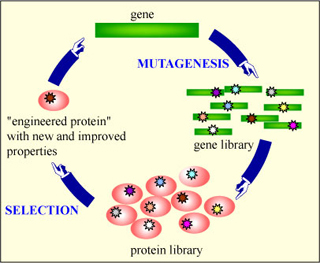
In this course, we will explore the mechanisms of action of toxins and antibiotics, their roles in everyday medicine, and the emergence and spread of drug resistance. We will also discuss the identification of new drug targets and how we can manipulate the protein synthesis machinery to provide powerful tools for protein engineering and potential new treatments for patients with devastating diseases, such as cystic fibrosis and muscular dystrophy.
This course is one of many Advanced Undergraduate Seminars offered by the Biology Department at MIT. These seminars are tailored for students with an interest in using primary research literature to discuss and learn about current biological research in a highly interactive setting. Many instructors of the Advanced Undergraduate Seminars are postdoctoral scientists with a strong interest in teaching. | en_US |
| dc.language.iso | en | en_US |
| dc.subject | Engineering - Biological Engineering | en_US |
| dc.subject | Health and Medicine | en_US |
| dc.title | 7.344 Antibiotics, Toxins, and Protein Engineering, Spring 2007 | en_US |
| dc.contributor.department | Massachusetts Institute of Technology. Department of Biology | en_US |
| dc.audience.educationlevel | Undergraduate | en_US |
| creativework.learningresourcetype | Lecture Notes | en_US |
| creativework.learningresourcetype | Written Assignments | en_US |